Key Takeaways
- Custom pool builders in Florida follow a multi-phase process from design through final walkthrough.
- Permitting requirements vary by county and can significantly affect your project timeline.
- Choosing between fiberglass, gunite, or vinyl construction depends on budget, design goals, and site conditions.
- Weather and soil conditions in Florida directly influence excavation and construction scheduling.
- A written contract with clear milestones helps protect homeowners throughout the build.
- Full-service pool companies often coordinate design, permitting, and outdoor living features under one roof.
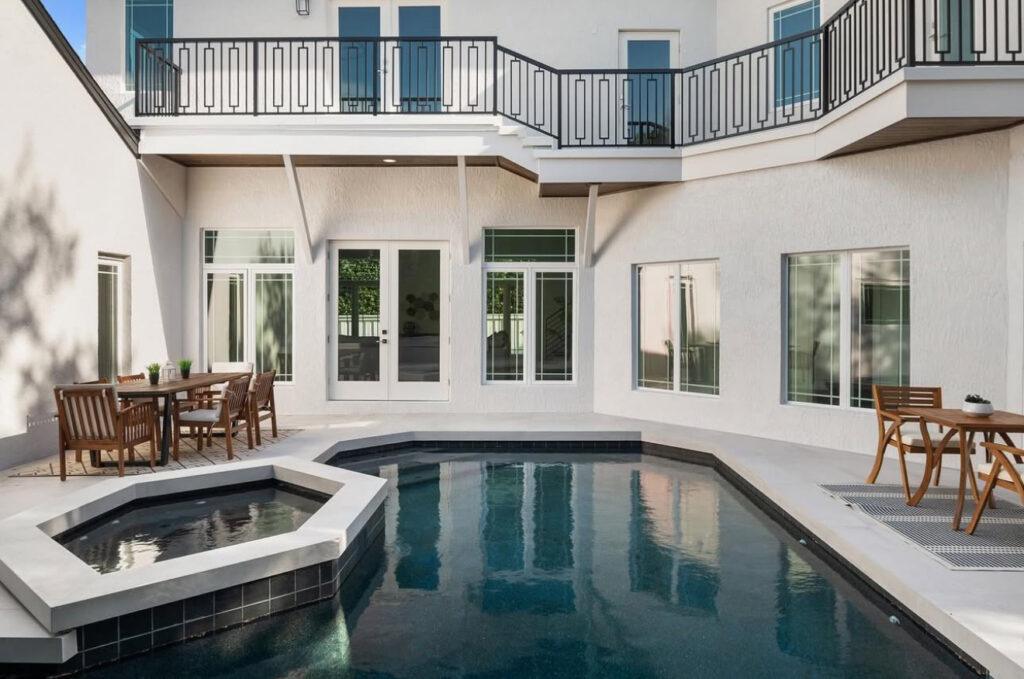
Building a backyard pool is one of the more significant home improvement decisions a Florida homeowner will make, and the process looks different from region to region and contractor to contractor. Understanding how custom pool builders in Florida approach a project—from the first design conversation to the final walkthrough—helps homeowners set realistic expectations and avoid common frustrations.
This article walks through each stage of a typical custom pool build in Florida, covering design, permitting, construction, and completion, along with practical guidance on comparing contractors, materials, and timelines.
How the Pool Building Process Works
Step 1: Initial Consultation and Site Assessment
A residential pool contractor in Florida typically begins with a site visit to assess yard size, drainage, soil composition, access points for equipment, and any existing landscaping or structures that may affect the build. This is also when homeowners discuss budget ranges, intended use (lap swimming, entertaining, family recreation), and any must-have features.
Step 2: Custom Design Development
During this phase, the builder translates the homeowner’s goals into a workable design. Custom inground pool designs work often includes:
- Shape and size recommendations based on yard dimensions
- Placement relative to the home, property lines, and setbacks
- Integration with existing or planned outdoor living spaces
- Preliminary material and finish selections
Many full-service pool companies in Florida use 3D renderings at this stage so homeowners can visualize the final result before committing to construction.
Step 3: Permitting and Engineering
Florida counties and municipalities each have their own permitting requirements, and this step can be one of the more time-consuming parts of the process. Permits typically address structural engineering, electrical work, plumbing, and, in some jurisdictions, Florida residential pool safety statutes. According to the Florida Department of Business and Professional Regulation, licensed contractors are responsible for ensuring construction meets applicable building codes.
Step 4: Excavation and Structural Construction
Once permits are approved, excavation begins. For gunite or shotcrete pools, this includes steel rebar installation followed by the structural shell. Florida’s sandy soil and high water table in some regions can affect excavation methods, which is why an experienced local contractor matters.
Step 5: Plumbing, Electrical, and Equipment Installation
Pumps, filtration systems, energy-efficient pool heaters, and lighting are installed and connected during this phase. This is also when features like water elements, spas, or automation systems are integrated if included in the design.
Step 6: Decking, Coping, and Finish Work
Surrounding hardscape, coping, and pool finishes (plaster, pebble, tile, or aggregate) are applied. This stage significantly affects both the pool’s appearance and its long-term durability. Many homeowners choose to add integrated outdoor living features such as pergolas or covered patios during this phase to create a cohesive backyard oasis.
Step 7: Final Inspection and Walkthrough
Before the pool is filled and started up, a final inspection confirms code compliance. The contractor then walks the homeowner through equipment operation, maintenance basics, and warranty documentation.
Comparing Pool Construction Methods
| Feature | Gunite/Shotcrete | Fiberglass | Vinyl Liner |
|---|---|---|---|
| Design flexibility | High – fully custom shapes | Limited to manufacturer molds | Moderate |
| Typical construction time | Longer (weeks to months) | Shorter (days to weeks for shell) | Moderate |
| Surface feel | Textured, customizable finishes | Smooth gel coat | Smooth vinyl |
| Long-term maintenance | Resurfacing needed over time | Minimal resurfacing | Liner replacement over time |
| Best suited for | Homeowners wanting a fully custom design | Homeowners prioritizing faster installation | Budget-conscious buyers wanting design variety |
If a homeowner wants a highly customized shape with integrated features like a raised spa or specific tile work, custom gunite construction is generally the better fit. If a homeowner prioritizes a faster installation timeline and consistent surface quality, fiberglass may be worth exploring instead. For more detailed comparisons on industry standards, you can refer to [PHTA consumer resources](https://poolhot tuballiance.org/consumers/).
Pros and Cons of Working With a Custom Pool Builder
Pros:
- Design tailored specifically to the homeowner’s yard and lifestyle
- Ability to integrate outdoor living features into a single cohesive plan
- Direct communication throughout design and construction
- Greater control over material and finish selections
Cons:
- Custom builds generally take longer than pre-formed options
- Costs can vary based on site conditions, permitting, and design complexity
- Weather delays are more common during Florida’s rainy season
- Requires more upfront decision-making from the homeowner
Do’s and Don’ts When Choosing a Pool Builder
Do:
- Verify our licensing and credentials or check the official Florida license verification portal
- Ask for a written contract with clearly defined milestones and payment schedules
- Request references from recently completed projects in your area
- Confirm who is responsible for permitting and inspections
Don’t:
- Rely solely on online reviews without verifying licensing
- Sign a contract with vague scope-of-work language
- Assume all quotes include the same scope of finish work
- Skip asking about warranty terms on structural work and equipment
Real-World Example:
a family in central Florida wants to replace an aging backyard pool with a custom design that includes a sun shelf, spa, and updated pool deck. After an initial consultation, the contractor identifies drainage issues on the property that need to be addressed before construction begins.
This kind of site-specific challenge is common in backyard pool renovation projects, and it illustrates why a thorough site assessment early in the process can prevent costly surprises later.
Quick Answers – FAQ
How long does it take to build a custom pool in Florida?
A: Timelines vary by project complexity and permitting speed, but many custom builds take several months from design approval to completion.
Do I need a permit to build a pool in Florida?
A: Yes, permits are required in virtually all Florida jurisdictions, and requirements vary by county and municipality.
What’s the difference between a pool builder and a full-service pool company?
A: A full-service pool company typically manages design, construction, and often outdoor living elements, while some builders focus solely on pool construction.
Can I customize the shape and size of my pool?
A: Yes, particularly with gunite or shotcrete construction, which allows for fully custom shapes.
What factors affect pool construction cost?
A: Site conditions, design complexity, material choices, and permitting requirements all influence overall project cost.
Do custom pool builders also handle landscaping?
A: Some custom outdoor living contractors offer integrated landscaping and hardscape services, though this varies by company.
What happens during the final walkthrough?
A: The contractor reviews equipment operation, maintenance requirements, and warranty details with the homeowner.
How does Florida weather affect pool construction?
A: Rainy seasons and high water tables can affect excavation scheduling and construction timelines.
Glossary of Terms
- Gunite: A mixture of cement and sand sprayed over a rebar structure to form a durable, customizable pool shell.
- Coping: The material forming the edge or cap around a pool, connecting the pool structure to the surrounding deck.
- Setback: A zoning requirement specifying minimum distance a structure must be from property lines.
- Sun Shelf: A shallow, flat area within a pool designed for lounging or wading, often near the pool’s entry point.
Conclusion
Understanding what to expect from custom pool builders in Florida—from initial design through final inspection—helps homeowners make informed decisions and avoid surprises along the way. Whether comparing construction methods, verifying licensing, or planning for permitting timelines, preparation is the key to a smoother build.
If you’re ready to start planning your custom pool project, reach out to an experienced local pool contractor to schedule your complimentary site consultation and discuss your design goals.