Key Takeaways
- Always confirm license, insurance, and local permitting experience before signing anything.
- Understanding the right questions to ask pool builder candidates prevents budget overruns.
- Ask about construction timelines, since Florida weather can affect scheduling significantly.
- Request references and photos from completed custom inground pool designs projects.
- Clarify warranty terms in writing before any deposit changes hands.
- Compare at least two or three residential pool contractor Florida quotes before deciding.
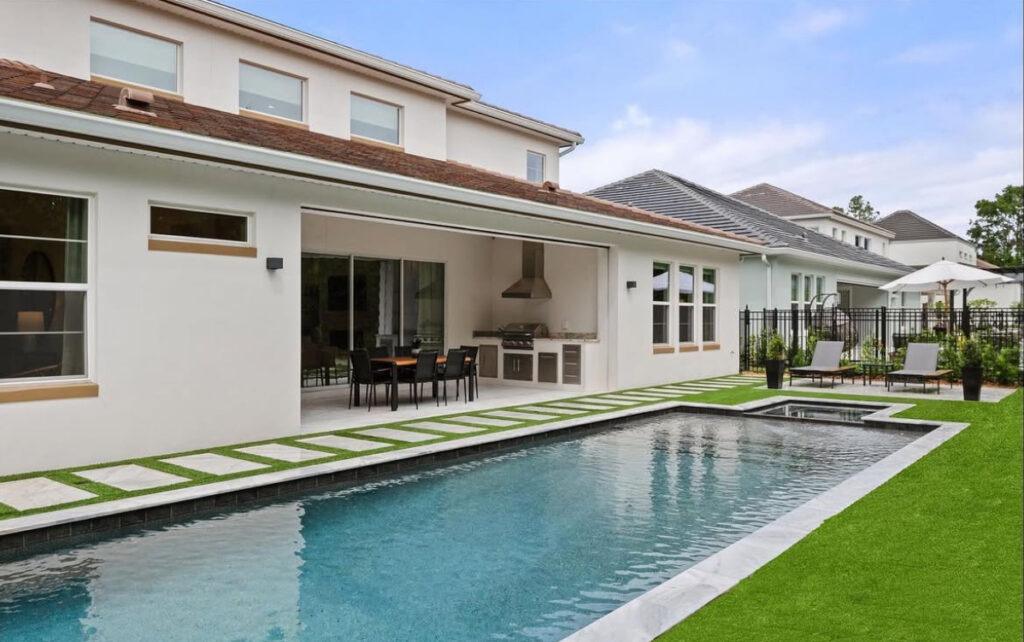
Building a pool is one of the largest home investments many Florida homeowners will make, and choosing the right partner matters just as much as choosing the right design. Knowing the right questions to ask pool builder candidates upfront can mean the difference between a smooth backyard transformation and months of frustration. This guide walks through seven essential questions, along with the reasoning behind each one, so you can evaluate a residential pool contractor Florida with confidence.
Whether you’re planning a full-service pool company Florida partnership for new pool construction Florida projects or a backyard pool renovation, the vetting process looks similar. The goal is simple: protect your budget, your timeline, and your finished result.
Why the Right Questions Matter
Florida’s pool industry is competitive, and not every company operates with the same standards. Some builders subcontract most of the work, while others manage every phase in-house. Some carry full insurance coverage, while others cut corners. Asking pointed questions early separates trustworthy professionals from higher-risk options before you’ve committed any money.
Industry organizations such as the Florida Pool & Spa Association and the Association of Pool & Spa Professionals have long emphasized consumer education as a defense against poor workmanship. Their guidance consistently points back to the same theme: informed homeowners get better outcomes.
The 7 Questions to Ask
1. Are you licensed, insured, and bonded in Florida?
This is non-negotiable. Florida requires pool contractors to hold a valid state license, and you should verify this directly through the Florida DBPR license lookup. If a builder hesitates to share their license number, treat that as a warning sign.
2. Can I see examples of your custom inground pool design work?
A reputable custom outdoor living contractor should have a portfolio of completed projects, ideally including pools similar in style or scope to what you’re envisioning. Ask specifically for local projects, since Florida’s soil conditions and climate influence design choices.
3. What does your construction timeline typically look like?
If you need your pool finished before a specific season or event, choose a builder who can provide a realistic, written timeline with milestones. Vague answers like “it depends” without further detail often signal scheduling problems down the road.
4. How do you handle permitting and inspections?
Florida municipalities each have their own permitting requirements. If your project involves a shared property line or HOA approval, choose a builder experienced with local permitting offices rather than one unfamiliar with your specific county or city.
5. What warranty do you offer, and what does it cover?
Ask for warranty terms in writing, including structural warranties versus equipment warranties. A full-service pool company Florida provider should clearly separate what’s covered by the manufacturer versus what falls under the builder’s own workmanship guarantee.
6. Who will actually be on-site during construction?
Some companies subcontract excavation, plumbing, and finishing to third parties. Others keep crews in-house. Neither approach is automatically better, but you deserve to know who is accountable at each stage.
7. Can you provide references from recent clients?
Ask for at least three references from projects completed within the last one to two years. Following up with references remains one of the most reliable ways to confirm quality and communication style.
Step-by-Step: How to Vet a Pool Builder
- Verify the contractor’s license through Florida’s DBPR database.
- Request proof of general liability insurance and workers’ compensation coverage.
- Review a portfolio of completed projects.
- Ask for a written estimate that separates labor, materials, and permitting fees.
- Call at least two client references and ask about communication and timeline accuracy.
- Confirm warranty terms in writing before signing a contract.
- Compare your top two or three quotes side-by-side before making a final decision.
Comparison Table: What to Compare Between Builders
| Factor | What to Look For | Red Flag |
|---|---|---|
| Licensing | Active Florida contractor license | Reluctance to share license number |
| Insurance | General liability and workers’ comp | No proof of coverage provided |
| Portfolio | Local, comparable completed local projects | Only stock photos, no local work |
| Timeline | Written schedule with milestones | Vague verbal estimates only |
| Warranty | Clear structural and equipment terms | No warranty documentation |
Pros and Cons of Hiring a Full-Service Pool Company
Pros:
- Single point of contact for design, permitting, and construction
- Often faster coordination between design and installation phases
- Easier accountability if issues arise after completion
Cons:
- May cost more than piecing together separate contractors
- Less flexibility to swap subcontractors mid-project
- Availability can be limited during peak building season
Do’s and Don’ts When Interviewing a Pool Builder
Do:
- Ask for references and actually call them
- Get every warranty term in writing
- Verify licensing independently, not just by taking their word for it
Don’t:
- Sign a contract with blank fields or vague scope language
- Pay a large deposit before permits are secured
- Ignore your instincts if communication feels inconsistent
Case Study:
A homeowner in Central Florida planning a backyard pool renovation. Before selecting a contractor, they asked three different companies the same seven questions outlined above. One company couldn’t provide a written warranty; another had no local references. The homeowner ultimately chose the company that answered every question directly, with documentation to back it up, and their project stayed within two weeks of the original estimated timeline. This scenario illustrates why preparation before hiring matters as much as the construction itself.
Quick Answers – FAQ
How do I verify a pool builder’s Florida license?
A: You can search the contractor’s license number through the Florida Department of Business and Professional Regulation’s online portal.
What’s the difference between a structural warranty and an equipment warranty?
A: A structural warranty covers the pool shell itself, while an equipment warranty covers pumps, filters, and other mechanical components, often from the manufacturer.
How long does custom pool construction typically take in Florida?
A: Timelines vary based on permitting, weather, and design complexity, so ask your builder for a written milestone schedule specific to your project.
Should I get multiple quotes before choosing a builder?
A: Yes, comparing two or three quotes from different residential pool contractor Florida companies helps you understand fair market pricing and service differences.
What questions should I ask about subcontractors?
A: Ask who will be on-site for excavation, plumbing, and finishing work, and whether those teams are employed directly or subcontracted.
Is it normal to pay a deposit before permits are approved?
A: Practices vary, but many industry experts suggest confirming permit status before making large payments to protect your investment.
Can I request references from a pool builder?
A: Yes, and reputable builders should readily provide references from recent, comparable projects.
What should be included in a written pool construction contract?
A: A clear contract should include scope of work, materials, timeline, payment schedule, and warranty terms.
Glossary of Terms
- Custom Inground Pool Design: A pool plan created specifically for a homeowner’s property, style preferences, and budget rather than a pre-set template.
- Structural Warranty: A guarantee covering the integrity of the pool’s shell or structure for a specified period after construction.
- Permitting: The process of obtaining local government approval before construction begins, ensuring the project meets code requirements.
- Full-Service Pool Company: A contractor that manages design, permitting, and construction under one company rather than coordinating multiple separate vendors.
Conclusion
Choosing the right builder starts with asking the right questions. By covering licensing, timelines, warranties, and references upfront, you set the foundation for a smoother project and a pool you’ll enjoy for years. Whether comparing construction methods, verifying licensing, or planning for permitting timelines, preparation is the key to a smoother build.
If you’re ready to start planning your custom pool project, reach out to an experienced local pool contractor to schedule your complimentary site consultation and discuss your design goals.